
The Construction Industry’s Emissions Problem
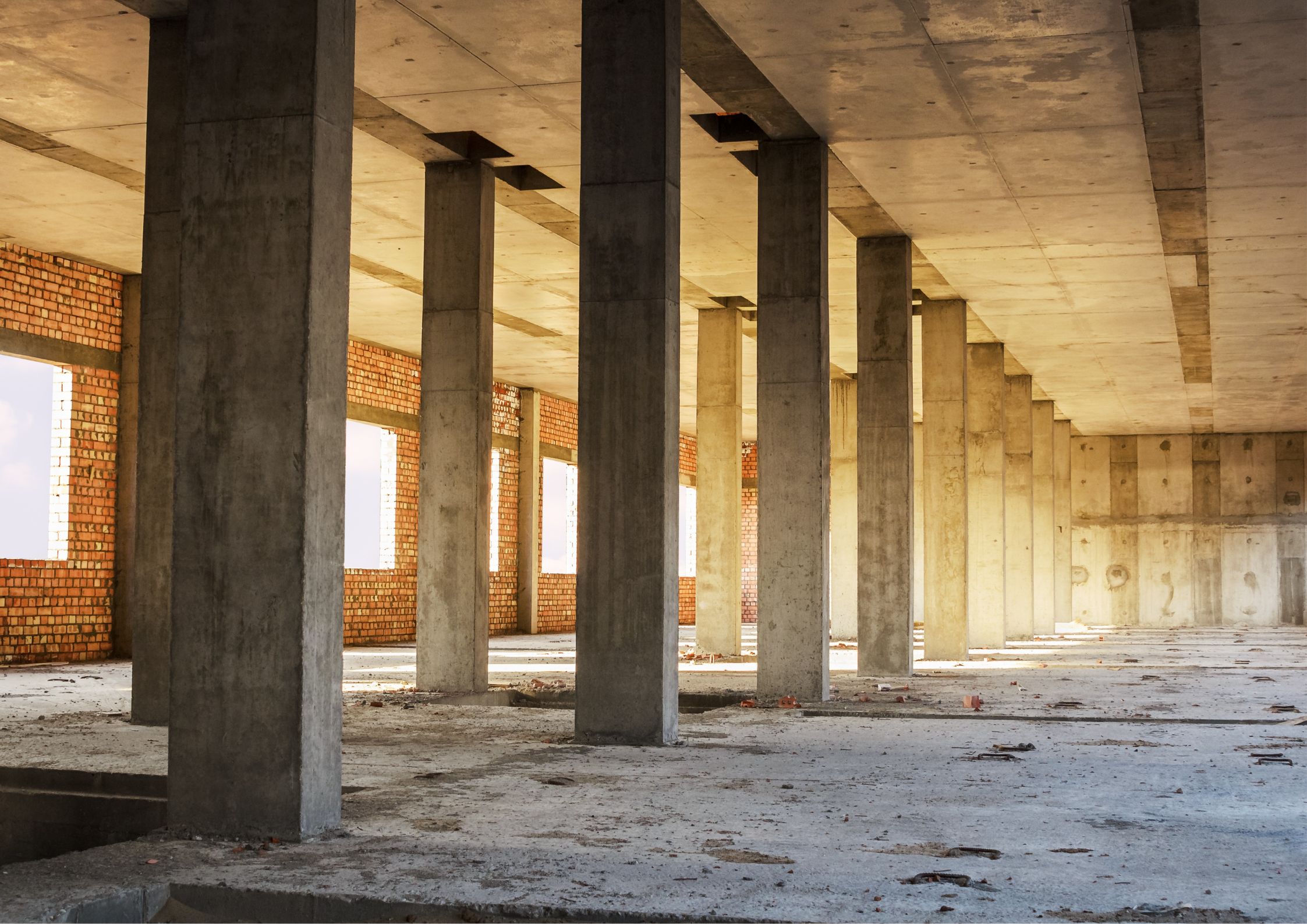
Why Construction Emissions Are a Major Climate Challenge
According to the International Energy Agency's 2019 Global Status Report for Buildings and Construction, the buildings and construction sector accounted for 39% of energy and process-related carbon dioxide (CO2) emissions in 2018, 11% of which resulted from manufacturing building materials and products such as steel, cement and glass.
Why Emissions from Building Materials Are Expected to Increase
A 2021 study from researchers at the Leiden University further completes the data, showing that the carbon emissions of building materials are set to grow a considerable amount if drastic action is not taken rapidly. Even with new regulations and standards, these emissions are still much larger than the remaining emissions budget for building materials that would keep us below 1.5°C of global warming, researchers state in their Nature Communications paper. The researchers prescribe technological innovations as well as circular economy approaches and behavioral changes to limit emissions.
Why Decarbonizing the Construction Industry Is Difficult
Decarbonizing construction is particularly challenging because many essential building materials require large amounts of energy during production.
Steel, cement, glass, and other construction materials are often produced using energy-intensive processes that remain heavily dependent on fossil fuels. In addition, emissions arise not only during manufacturing but also during transportation, installation, maintenance, demolition, and end-of-life treatment.
This means that the full life cycle of a construction material must be considered when evaluating its environmental impact.
The Role of Product and Material Carbon Footprints
Product Carbon Footprints provide a way to measure and compare the greenhouse gas emissions associated with individual materials and building products.
By calculating material-level carbon footprints, construction companies, architects, manufacturers, and procurement teams can:
- identify emission hotspots
- compare conventional and alternative materials
- evaluate recycled and secondary materials
- improve product design
- support more sustainable procurement decisions
- reduce embodied carbon in buildings
Reliable CO₂e data is essential for making these comparisons accurately.
Innovative Solutions for Lower-Carbon Construction Materials
That is why we, at sustamize, decided we'd explore a series of existing innovative solutions for decarbonizing the construction industry, namely by reducing product- and material carbon footprints. A good start is to have a look at our blog posts on decarbonizing steel and concrete, which tackle the most pressing carbon emission issues of the construction industry.
Following solutions focus on replacing carbon-intensive materials, reusing waste streams, and integrating circular economy principles into construction products.
Powdered Mixed Waste Glass as an Input for Concrete
Mixed waste glass is difficult to recycle through conventional glass recycling systems. However, when processed into powder, it can potentially be used as an input for concrete.
This approach could reduce waste while replacing a share of more carbon-intensive raw materials.
Converting Plastic Waste into Bricks
Plastic waste can be processed into bricks and other construction elements.
This creates a new use for materials that might otherwise be landfilled or incinerated. It may also reduce demand for virgin construction materials, depending on the production process and product application.
Upcycling Clothing into Thermal Insulation
Textile waste, including cotton clothing that can no longer be reused, can be transformed into insulation materials.
This approach extends the life of existing materials, reduces textile waste, and may support lower energy consumption in buildings through improved insulation.
Construction Tiles Made with Black Carbon
Black carbon and other industrial waste materials can potentially be incorporated into construction tiles and similar products.
Such applications may help prevent waste and reduce the use of virgin raw materials. Their actual climate benefit, however, must be assessed through transparent and comparable carbon footprint calculations.
Why Carbon Data Is Essential for Evaluating Construction Innovations
Not every recycled or alternative material automatically has a lower environmental impact.
Factors such as processing energy, transportation, material performance, durability, and end-of-life treatment can significantly influence a product’s total carbon footprint.
For this reason, innovative construction materials should be evaluated using consistent system boundaries, reliable emission factors, and comparable Product Carbon Footprints.
Only then can companies determine whether a new material delivers genuine emission reductions.
You want to know more about reducing your product's or material's carbon footprint?
You want to find out more about our extensive construction materials database?
Contact us here and stay tuned for more updates!
Sources
IEA (2019). Global Status Report for Buildings and Construction 2019. IEA. Paris. Access: https://www.iea.org/reports/global-status-report-for-buildings-and-construction-2019
Xiaoyang Zhong et al, Global greenhouse gas emissions from residential and commercial building materials and mitigation strategies to 2060, Nature Communications (2021). doi.org/10.1038/s41467-021-26212-z


14 Tage kostenlos testen
Entdecke unsere Emissionsdatenbank, KI-gestützten Tools und Lösungen für die Erstellung von Product Carbon Footprints.

.png)

Emissionen senken,
Kosten optimieren
CO₂e-Daten nutzen, um Product Carbon Footprints entlang der Wertschöpfungskette effizient zu berechnen und zu optimieren.


©2026 sustamize | AGB | Datenschutz | Impressum.