
An Innovative Solution for Turning Mixed Waste Glass Into High-Value Building Materials?
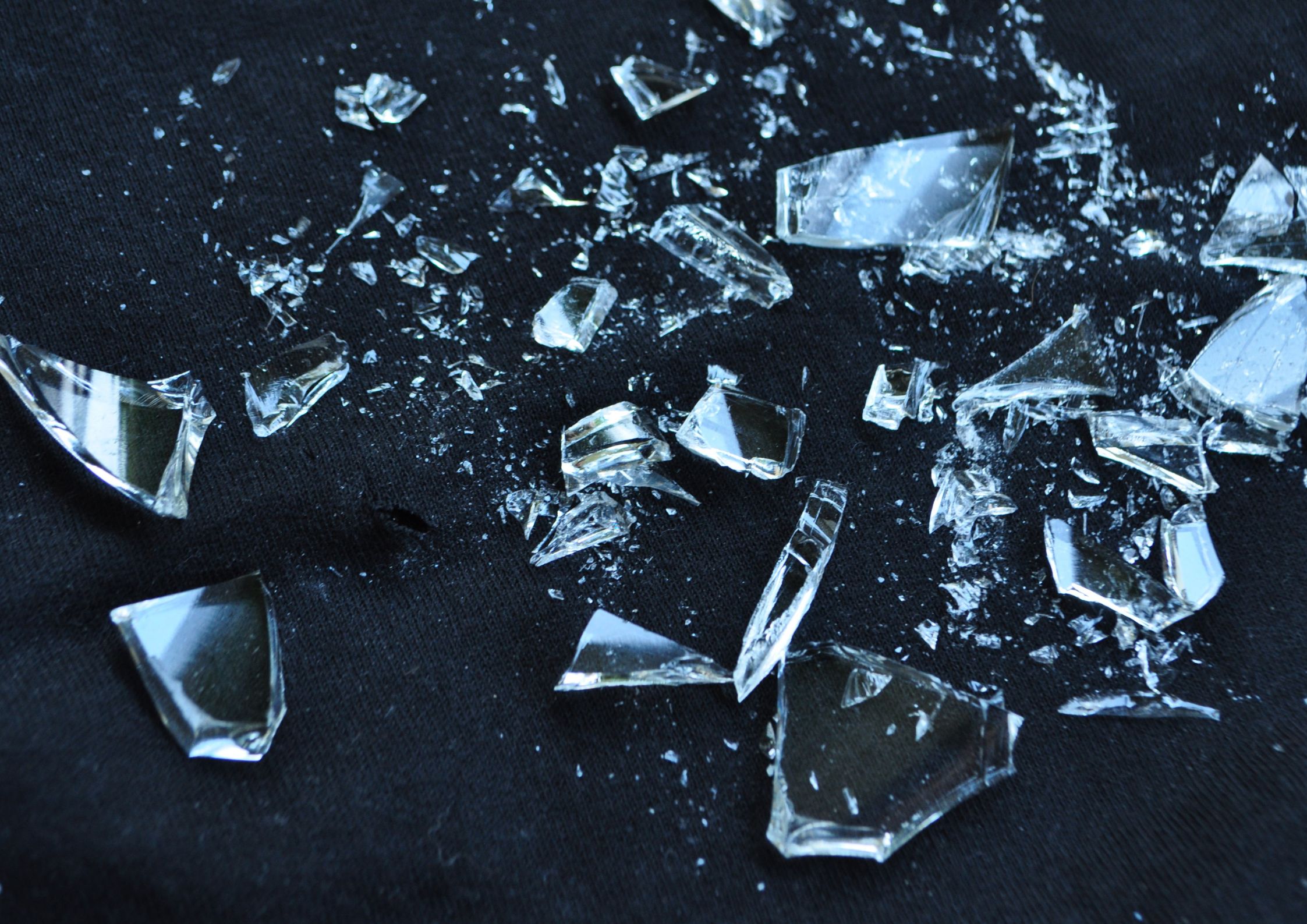
Why Mixed Waste Glass Is a Growing Recycling Challenge
The construction industry is paying more and more attention to the recycling of waste glass into sustainable building materials, since it may help reduce greenhouse emissions and other environmental issues.
The effectiveness of the current glass recycling systems is however put into question by the need to divide waste glass into the many types of glass and the contamination of incredibly delicate remelting processes. Solutions that encourage the reuse of glass containers as much as feasible, such as deposit systems, are a step in the right direction for sustainable practices. However, in most regions of the world, these systems are still either uncommon, in their early stages, or even completely nonexistent.
We urgently need new recycling solutions since glass waste is still a problem that is expanding across the globe, especially for the massive amounts of special, mixed, broken, and contaminated glass that cannot currently be recycled.
How Mixed Waste Glass Can Become High-Value Building Materials
A study by Heriyanto et al. (2018) demonstrated that mixed broken glass could be used as primary input in the production of polymeric glass composites. The mechanical qualities, practicality, visual appeal, and anticipated market value of the composites were able to compete with those of natural and engineered stone products, which are frequently utilized as countertops, floor tiles, and wall tiles for bathrooms and kitchens. According to the researchers, the resulting material is similar to engineering stone, although produced through a more cost-effective process. Altogether, this new recycling process represents a unique alternative to the remelting of waste glass and has the potential to deliver economic and environmental benefits wherever waste glass is stockpiled. Another example is adding glass powder to concrete instead of, for example, sand, gravel, or cement, which showed that the material's durability increased in terms of finer pore structure and densified microstructure (Hamada et al., 2022).
Why the End-of-Life Phase Is Critical for Reducing Product Carbon Footprints
Those innovations fulfill the recycling principle of the circular economy manufacturers should strive for, and take into account the very important lifecycle phase of a product and material embodied as its end of life. By reusing the material or recycling all of it without melting it, not only will waste be reduced (Abdelli et al. 2020), but a considerable amount of energy-demanding processing and waste management-related carbon emissions could be avoided and thus, possibly reducing the new material as well as the disposed glass' material carbon footprint. In our product carbon footprint calculations, we observed that the end of life phase is key to closing the circularity loop and reducing carbon emission. Unfortunately, due to complexity and inadequate data, the whole life cycle of B2B products is rarely taken into account nowadays.
Measure the Carbon Footprint of Your Construction Materials
Have you developed an innovative construction material, manufacturing process, or recycling solution?
Calculating a Product Carbon Footprint and benchmarking it against conventional alternatives provides valuable insights into its environmental performance and helps demonstrate its contribution to a more circular and low-carbon construction industry.
Read this article to find out more about the effect of recycled waste glass on the properties of high-performance concrete: https://doi.org/10.1016/j.cscm.2022.e01149
And this one to know more about the novel glass-based composite from local waste materials: https://doi.org/10.1016/j.jclepro.2018.04.214
Related to this topic: "The Construction Industry’s Emissions Problem", "Converting Plastic Waste into Bricks", "Upcycling Cotton Waste Into Insulation Materials"
Sources
Abdelli, H. E., Mokrani, L., Kennouche, S., & de Aguiar, J. B. (2020). Utilization of waste glass in the improvement of concrete performance: A mini review. Waste Management & Research: The Journal for a Sustainable Circular Economy, 38(11), 1204–1213. https://doi.org/10.1177/0734242x20941090
Hamada, H., Alattar, A., Tayeh, B., Yahaya, F., & Thomas, B. (2022). Effect of recycled waste glass on the properties of high-performance concrete: A critical review. Case Studies in Construction Materials, 17, e01149. https://doi.org/10.1016/j.cscm.2022.e01149
Heriyanto, Pahlevani, F., & Sahajwalla, V. (2018). From waste glass to building materials – An innovative sustainable solution for waste glass. Journal of Cleaner Production, 191, 192–206. https://doi.org/10.1016/j.jclepro.2018.04.214


14 Tage kostenlos testen
Entdecke unsere Emissionsdatenbank, KI-gestützten Tools und Lösungen für die Erstellung von Product Carbon Footprints.

.png)
Emissionen senken,
Kosten optimieren
CO₂e-Daten nutzen, um Product Carbon Footprints entlang der Wertschöpfungskette effizient zu berechnen und zu optimieren.


©2026 sustamize | AGB | Datenschutz | Impressum.