
Scope 3 and Product Carbon Footprints in Manufacturing
Scope 3 remains the most critical emissions gap — sustamize supplies the CO₂e data to turn it into actionable insight
Scope 3 Is Manufacturing’s Biggest Emissions Challenge
How manufacturers can gain control over supply-chain emissions
For EU-based manufacturers, 70–90% of total emissions originate in Scope 3 — from purchased materials, energy, upstream production and logistics.
Sustamize provides the CO₂e data foundation and tools needed to transform supply-chain emissions into standardized and regulation-ready PCFs.
From raw materials to finished products, manufacturing emissions are deeply connected to the supply chain. Sustamize helps companies calculate and manage Scope 3 emissions with automated, product-level carbon intelligence.
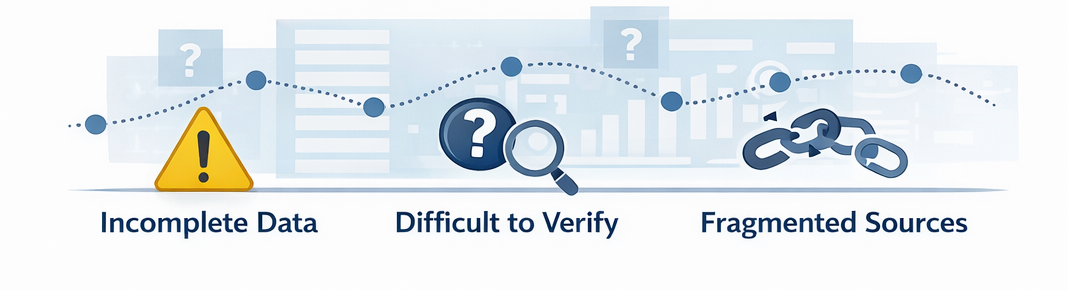
Emissions data across materials, suppliers and processes is often fragmented, incomplete and difficult to validate. Many manufacturers still rely on generic averages, spreadsheets or inconsistent supplier information, making it challenging to identify emission hotspots or compare alternatives reliably.
- Difficulty quantifying and reducing carbon emissions
- Lack of data integration across suppliers and production sites
- Not aware of applicable regulations such CSRD, ESPR and Digital Product Passport
- Struggle to validate the data coming from suppliers
- Incomplete or unavailable carbon data for purchased materials
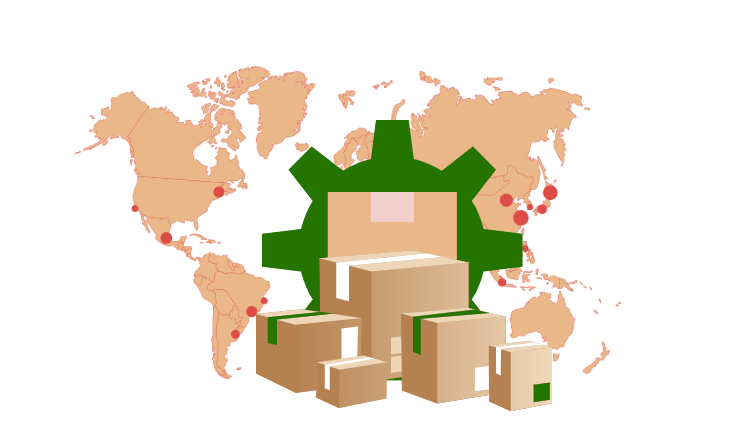
Manufacturers are increasingly required to provide PCFs in tenders, supplier qualifications and customer audits.
Without standardized and verifiable Scope 3 data, companies risk being excluded from business opportunities.
Sustamize helps manufacturers calculate product carbon footprints and Scope 3 emissions across complex supply chains. By combining automated data mapping, material intelligence, and emissions databases, companies can generate reliable results faster and at scale.
Ready to Take Control of Scope 3?
Gain control over supply chain emissions and build reliable Product Carbon Footprints with sustamize.
The sustamize Solution
Sustamize turns fragmented emissions data into standardized carbon intelligence for manufacturing

.png)
Close the Scope 3 Data Gap
Access high-quality production, materials and logistics emission factors where supplier data is incomplete. Build robust Scope 3 inventories based on validated secondary data.

Automate BoM Mapping
Automatically link Bills of Materials (BoMs), material specifications and process data to corresponding emission factors. Eliminate spreadsheets and manual matching.

Reduce Incomplete Supplier Data
Instead of relying solely on limited or inconsistent supplier information, companies can use standardized CO₂e data to estimate emissions across materials and processes.
.png)
Build Standardized PCFs
Generate PCFs in a defined, regulation-aligned format. Reuse results for CSRD reporting, ESPR compliance, Digital Product Passports and customer disclosures.
.png)
Competitive Advantage
With sustamize, manufacturers gain visibility into the 70–90% of emissions hidden in Scope 3. Instead of reacting to regulatory pressure, companies proactively identify decarbonization levers.
.png)
Designed for Manufacturing
Supporting complex supply chains across automotive, electronics, packaging and industrial sectors. It is built for sustainability teams, procurement, product development and compliance departments.
Rising Risks for EU Manufacturers Without Carbon Transparency

Market Pressure
Customers increasingly request Scope 1, 2 and 3 emissions data during tenders and supplier assessments. Manufacturers without reliable PCF data risk losing deals and falling behind competitors.
Key Risks
• Losing tenders due to missing PCFs
• Delayed responses to customer requests
• Reduced competitiveness in supplier selection

CBAM Compliance
Under the Carbon Border Adjustment Mechanism (CBAM), manufacturers importing carbon-intensive materials must report emissions data accurately.
Key Risks
• Goods held by customs without CBAM reports
• Financial penalties for non-compliance
• Higher carbon taxes for high-footprint materials
.png)
ESPR Regulation
The Ecodesign for Sustainable Products Regulation (ESPR) introduces strict requirements for product-level environmental data and transparency.
Key Risks
• Fines and regulatory sanctions
• Product withdrawal or market bans
• Legal liability and reputational damage

CSRD Reporting
The Corporate Sustainability Reporting Directive (CSRD) requires companies to disclose emissions data across their value chains.
Key Risks
• Regulatory fines and sanctions
• Exclusion from public tenders
• Reputational risks with investors and customers

Explore Other Industry Solutions
Turn Emission Data into Action
Access reliable CO₂e data to calculate, manage, and scale Product Carbon Footprints across your value chain.

©2026 sustamize | Terms & Conditions | Privacy Policy | Imprint.