
Upcycling Cotton Waste Into Insulation Materials
Why Cotton Waste Is a Growing Sustainability Challenge
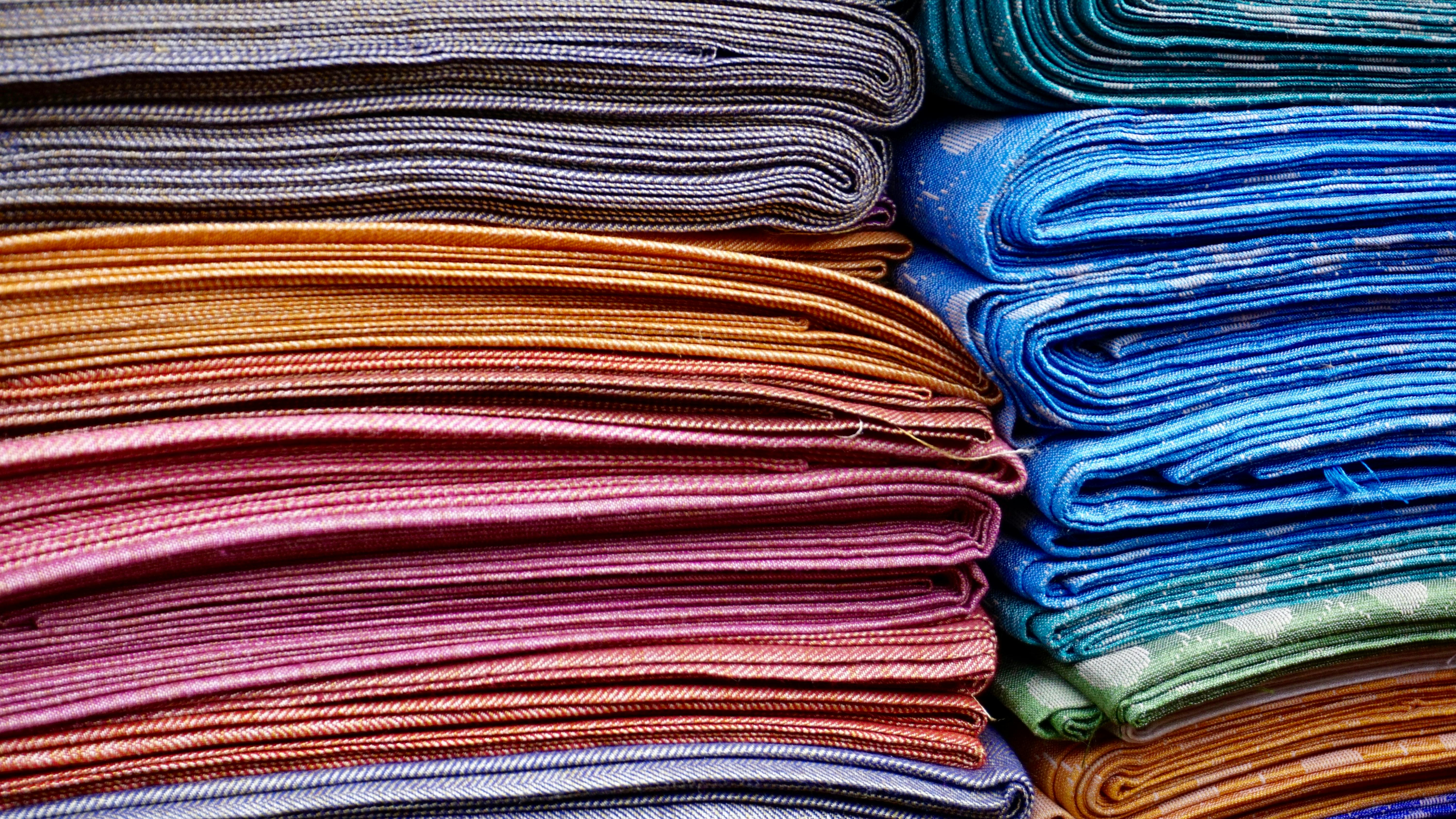
The transition to a circular economy requires industries to rethink how materials are produced, used, and recovered. While plastics often dominate discussions around recycling, cotton waste represents another major opportunity to reduce emissions and conserve resources.
Cotton is a popular material in the textile industry and the most widely used natural fiber for manufacturing the fabrics of our clothes. It accounts for 33% of all fibers used in textiles and is one of the world's leading commercial agricultural commodities (TRVST, 2021). On a global level, cotton farming accounts for 220 million tons of CO2 per year (Environmental Justice Foundation, 2020), which causes a disastrous impact on the climate. While many cotton recycling initiatives have emerged, more work is still needed to reduce the climate impacts of cotton already in circulation.
The Environmental Impact of Cotton Production
Cotton is essential for the global textile industry, but producing it requires substantial amounts of land, water, and energy. Beyond cultivation, additional emissions are generated during processing, transportation, manufacturing, and end-of-life treatment.
When cotton products are incinerated after use, the embedded resources are permanently lost, creating demand for new virgin materials and additional greenhouse gas emissions.
Extending the life of cotton through recycling and upcycling can help reduce both resource consumption and the carbon footprint of textile products.
From Textile Waste to Building Insulation
In response to this urgency, French company le relais has developed Métisse®, a bio-based insulation material made from cotton collected at its own collection points that is not reusable in its current state and would otherwise be destined for incineration.
As heating prices are expected to soar in Europe due to the war in Ukraine, insulation is a key element in limiting energy costs. This innovation would somewhat contribute to limit the energy consumption of households due to its nature. Additionally, like the innovations presented in our previous posts, Métisse® could potentially reduce CO2e emissions by curbing the incineration and production of other virgin insulation materials. However, the comparison of the environmental impact of this insulation material with a conventional material remains to be studied, and this can only be done with appropriate calculation tools and sufficient and comparable CO2e Footprints.
How Cotton-Based Insulation Supports a Circular Economy
Upcycling cotton waste into insulation offers several environmental benefits.
Rather than producing new insulation materials entirely from virgin resources, existing textile waste is transformed into a valuable construction product. This contributes to:
- reducing textile waste sent to incineration or landfill
- extending the lifetime of existing materials
- lowering demand for virgin raw materials
- supporting circular economy principles
- improving resource efficiency across industries
In addition, better building insulation helps reduce heating and cooling demand, which can further lower operational energy consumption and associated greenhouse gas emissions.
Can Cotton Insulation Reduce Carbon Emissions?
Although cotton-based insulation shows strong sustainability potential, its actual environmental performance depends on the entire product life cycle.
To determine whether it performs better than conventional insulation materials, manufacturers need reliable Product Carbon Footprint (PCF) calculations that assess emissions from raw material sourcing through manufacturing, transportation, installation, use, and end-of-life treatment.
Only standardized carbon footprint assessments allow meaningful comparisons between alternative materials and support informed decisions during product development and procurement.
Related to this topic:
"The Construction Industry’s Emissions Problem", "An Innovative Solution for Turning Mixed Waste Glass Into High-Value Building Materials?", "Converting Plastic Waste into Bricks"
Sources
Environmental Justice Foundation (2020, 2 December). How our clothes fuel the climate crisis - and what we can do about it. Access: https://ejfoundation.org/news-media/new-report-reveals-how-our-clothes-fuel-the-climate-crisis-and-what-we-can-do-about-it
Okafor, J. (2022, 6 February). Environmental Impact of Cotton from Growing, Farming & Consuming. trvst LTD. Access: https://www.trvst.world/sustainable-living/fashion/environmental-impact-of-cotton/

14 Tage kostenlos testen
Entdecke unsere Emissionsdatenbank, KI-gestützten Tools und Lösungen für die Erstellung von Product Carbon Footprints.

.png)
Emissionen senken,
Kosten optimieren
CO₂e-Daten nutzen, um Product Carbon Footprints entlang der Wertschöpfungskette effizient zu berechnen und zu optimieren.


©2026 sustamize | AGB | Datenschutz | Impressum.